
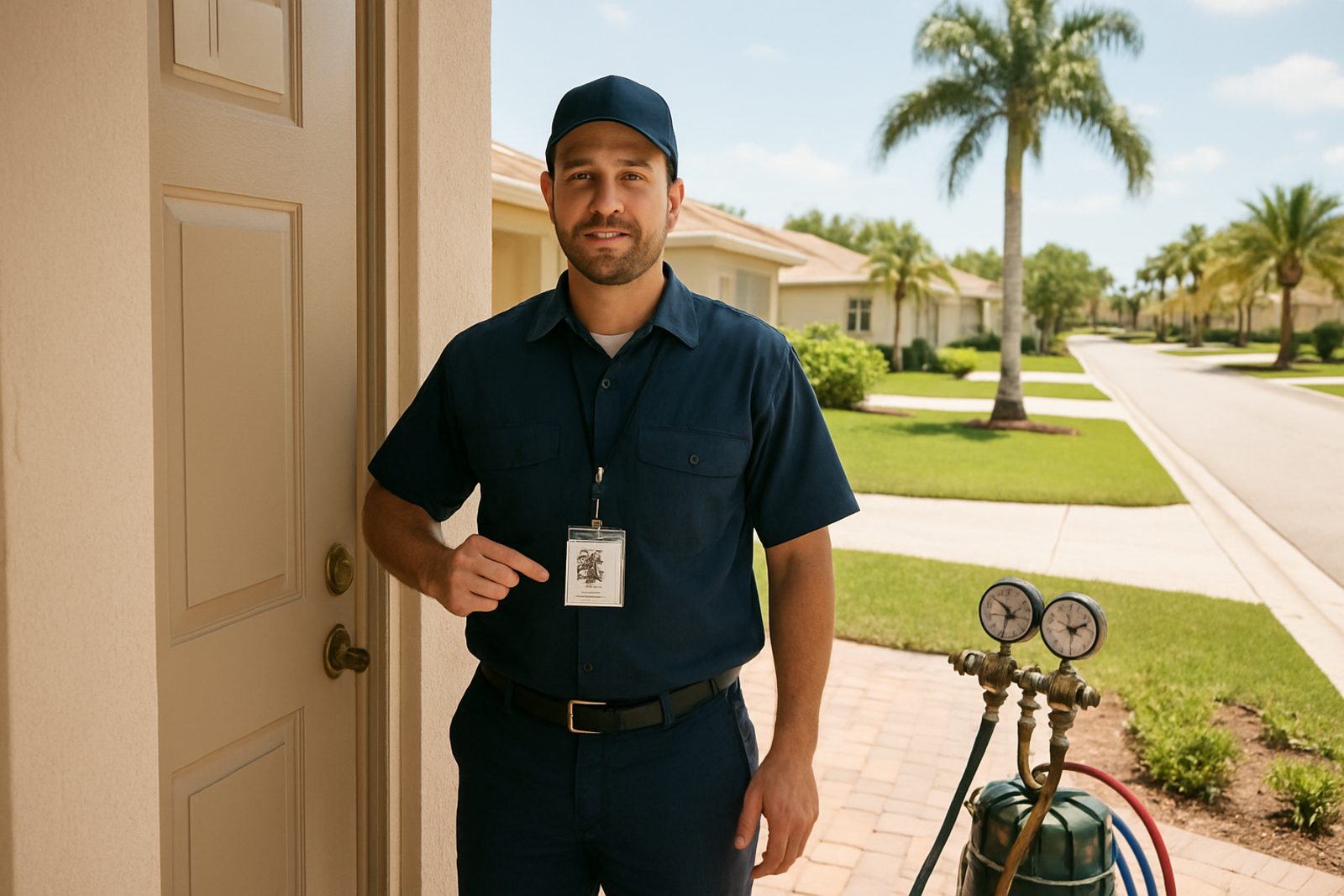
Jupiter Water Scam Alert: Your Opening This Month
If you run a plumbing company in Jupiter, Juno Beach, or anywhere nearby in Palm Beach or Martin County, pay attention to what is happening in your own backyard right now. The Town just put out a warning about a water testing scam, and at the same time, hundreds of homeowners are getting official backflow test notices in the mail. That overlap is not a coincidence you can ignore. It is a business opportunity sitting in plain sight this month.
Key takeaways
- Jupiter issued an active alert about a door to door water scam, which gives licensed plumbers a timely reason to reach out to homeowners before someone else scares them into a bad purchase.
- Real backflow compliance is a recurring, legally required service, not a one time job, which means the owners you contact now can become repeat accounts.
- Positioning yourself as the licensed, patient, non pressuring option is a strategy, not a sales script, and it only works if your marketing and your field team say the same thing consistently.
What is actually happening in Jupiter right now
The Town of Jupiter has issued an active alert warning that some Jupiter Utilities customers are getting calls and visits from a company calling itself Environmental Quality Assurance, offering to test their water and then pushing expensive filtration systems. The Town is clear that this company has no affiliation with Jupiter Utilities, and that the information these callers give about water quality may not be accurate.
Here is the part that matters for your business. The Town also confirms that its own water already meets or exceeds federal and state requirements, with testing done regularly and a public water quality report published every year. This is not a system with a secret contamination problem. It is a system doing its job, being used as cover by someone selling fear.
At the same time, the Town's Water and Stormwater Utilities Department serves more than 86,000 people across Jupiter, Juno Beach, and nearby unincorporated areas, with a treatment plant built to handle up to 30 million gallons a day. That is a lot of households who could be targeted by this scam, and a lot of households who are also due for a completely different, completely legitimate letter from the Town this year.
The real compliance letter homeowners are getting
Jupiter sends backflow device owners a testing notice 90 days before their device is due, and whoever performs that test has 30 days to submit passing results back to the Town. This is not optional paperwork. Since 1990, Florida Building Code has required residential irrigation systems to include a backflow preventer, and the state requires that preventer to be tested every two years by a certified tester, with utilities reporting compliance annually.
In Palm Beach County specifically, most properties with in-ground irrigation, fire suppression connections, or commercial water connections are required to have their backflow assembly tested annually by a certified professional, and this is a standing obligation, not a one time fix. So right now you have two homeowner experiences colliding: a scary, manipulative sales call about water quality, and a dry, bureaucratic compliance notice about a backflow test. Most homeowners cannot tell the difference between the two, and that confusion is exactly where a trusted local plumber earns the call.
Why fear tactics are a red flag you can use
A recent consumer guide on filtration scams points out that phrases like your water is unsafe or this offer expires tonight are classic manipulation tactics, and that legitimate companies give homeowners time to think before signing anything. That single line is a gift to your marketing. You do not need to invent a value proposition. You need to say, in plain language, that you will never pressure someone into same day filtration purchases, and that you will show your license before you ask for a dime.
This is not just a Jupiter problem either. The City of Homestead issued a similar alert describing a scammer posing as a utilities representative, falsely claiming severe contamination, and pressuring residents into buying overpriced devices, while clarifying the city itself does not do door to door water testing. When two different municipalities are warning residents about the same pattern, that tells you the scam is working often enough to matter, and that homeowners are actively looking for someone they can trust instead.
Turning this into a 30 day plan
This is where strategy beats a one off ad. Here is what a focused plumbing owner can do this month.
- Pull your customer list and identify anyone with irrigation, fire suppression, or commercial backflow devices coming due. Reach out before the Town's 90 day notice lands in their mailbox, so you are the first voice they hear, not the last.
- Create one simple piece of content, a page or a short explainer, that plainly separates real backflow compliance from scam water testing. Mention your license and invite people to verify it.
- Train whoever answers your phone to say one consistent line: we never pressure same day purchases, and we always show ID and license before entering a home. Consistency here is the whole point. One technician going off script undoes the trust you are building everywhere else.
- Make sure every call from this campaign gets logged and tracked back to its source, so you know which message, which page, and which channel is actually turning into booked backflow tests. If you are not sure which calls are coming from where, that is a gap worth closing before you spend another dollar on ads, and our piece on tracking every lead walks through exactly how.
- Keep your license visible everywhere, online and in person. Florida plumbing contractor licenses run on a two year renewal cycle through the DBPR Construction Industry Licensing Board, requiring 14 hours of continuing education. That is a credential homeowners can verify, and it is a stronger trust signal than any discount you could offer.
Why reputation does the heavy lifting here
A homeowner who just got scared by a door to door scammer is not going to pick the cheapest plumber in a search result. They are going to look at reviews, licensing, and whether your company communicates clearly, before they let anyone touch their water line again. That is why a few shaky reviews can quietly cost you jobs even when your star rating looks fine on the surface, something we break down in why your Google reviews might be costing you jobs.
This is also why paid traffic alone will not fix this moment for you. Ads can get someone to click, but they will not rebuild trust that a scammer just damaged in their neighborhood. What builds that trust is a consistent presence across your site, your reviews, your phone calls, and your field visits, all saying the same thing about who you are. According to the VelozLab team, once a local service business dials in its targeting and its message together, it is common to see three times more qualified leads simply because the right people stop scrolling past the ad.
A local moment worth acting on
Scam alerts come and go, but right now this one is active, it is specific to your market, and it hands you a reason to contact homeowners that has nothing to do with discounting your rates. If you want a sharper local strategy built around moments like this one, our Jupiter marketing page lays out how we think about this market, and our plumbing marketing page gets into the specifics of what works for trades like yours.
Is your marketing ready for this moment
Take our free 2 minute marketing checkup to see if your site, reviews, and lead tracking are set up to catch Jupiter homeowners who are worried about water scams and backflow compliance right now.


December 31, 2026: The Deadline Every Stuart Roofer Must Watch
It is mid October, which means South Florida roofing companies are coming off a quiet hurricane season and heading into the slower winter stretch. But two deadlines buried in state paperwork are about to make this one of the busiest Decembers in years for roofers from Stuart to Miami. Both land on the exact same day, and most owners have not connected the dots yet.
Key takeaways
- Two separate Florida deadlines, the new building code and the condo SIRS cutoff, both hit December 31, 2026, creating a short window to lock in permits and win board decisions.
- Condo and HOA boards now have to put real dollars into roof reserves, which means more boards will be shopping for roofing contractors before year end.
- Submitting permit applications now, before the 9th Edition code takes effect, can save your clients time, cost, and uncertainty on active projects.
Two Clocks, One Date
Florida updates its building code on a roughly three year cycle. The current 8th Edition took effect on December 31, 2023, and the 9th Edition is officially set to take effect December 31, 2026. That is one clock.
The second clock belongs to condo boards. Florida's milestone inspection law requires buildings three stories or taller to complete inspections once they hit 30 years of age, or 25 years if they sit within three miles of the coast, and for many South Florida buildings that countdown ends on December 31, 2026 as well.
Two deadlines, one date, and both push work toward roofing companies at the same time. That is not a coincidence you should ignore if you run a roofing business between Stuart and Miami.
The Building Code Switch: What It Means for Your Permits
Here is the part that affects your day to day operations right now. A permit application that gets submitted for review before the cutoff generally proceeds under the current 8th Edition code. Anything submitted after that date has to meet the stricter 9th Edition requirements.
In practical terms, if you have roofing projects in your pipeline that are permit-ready, getting them filed before the end of the year can mean a smoother, more predictable approval process. Waiting until January could mean new material standards, new inspection steps, or added cost that you have to explain to a homeowner who already approved a price.
This is not a reason to panic. It is a reason to get organized. Pull your active project list this week and flag anything that still needs a permit filed.
The Condo Board Wave You Can't Ignore
While homeowners deal with the code change, condo and co-op boards across South Florida are under real financial pressure. State law blocks any initial Structural Integrity Reserve Study, known as a SIRS, from being completed after December 31, 2026, which forces boards into a single budget cycle to finalize their numbers.
The roof is not a minor line item in that study. It is listed first among the eight components the SIRS law requires associations to evaluate, ahead of load-bearing walls, plumbing, and electrical.
And this is the part that should get your attention. Association budgets adopted on or after December 2024 can no longer waive reserve funding for structural elements like the roof. Boards that used to kick the can down the road now have to set aside real money for roof work, often for the first time. That means more boards are going to be comparing roofing contractors before the end of this year, not after.
Local Reality Check: Competition and County Rules
If you work in Martin County, pay attention to a local wrinkle. New rules effective next July let some small nonstructural projects under $7,500 skip a permit, but roofing work is explicitly excluded and still has to go through the standard permit process. Do not let a client assume their roof job qualifies for the shortcut.
You also need to know who you are competing against. As of late September, 102 roofing companies held an active Florida license with a business address in Martin County. That is a crowded field for a market the size of Stuart and its surrounding towns, which is exactly why a clear positioning and a steady lead pipeline matter more than ever.
There is also a demand driver sitting quietly on the insurance side. Florida law lets insurers require a roof inspection once a roof turns 15, and Citizens Property Insurance specifically requires documentation showing at least five years of remaining useful life once a shingle roof passes 25 years, or a tile or metal roof passes 50 years, before issuing or renewing coverage. A lot of homeowners are going to find out this year that their roof age is now a policy problem, not just a cosmetic one. If your sales process is not ready to answer that question clearly, you are leaving money on the table. We covered the confusion around roof-related insurance rules in The Roof Insurance Law That Never Passed, which is worth a read if you get these questions from clients.
One more detail worth knowing before you quote a job tied to storm mitigation. The state's My Safe Florida Home program reappropriated over $378 million for home hardening grants in the current budget, but that money funds structural roof hardening, not a new roof covering. Set that expectation with homeowners early so you do not lose trust mid-project.
What To Do With the Next 11 Weeks
This is not a season to react. It is a season to build a plan and run it.
- Audit your permit pipeline. Identify every project that can be submitted before the code switch and prioritize filing paperwork now.
- Build a condo board outreach list. Property managers and board members in your service area are going to need a roofing partner for reserve planning. Get in front of them before they start calling around in December.
- Clarify your insurance messaging. Train your sales team to explain the roof age inspection requirement and the hardening grant limits in plain language, before a homeowner hears it secondhand and gets confused.
- Tighten your lead tracking. With more inbound interest coming from both homeowners and boards, you need to know exactly which calls and forms are turning into signed jobs. This is the same discipline we walk through in Which Calls Came From Google.
- Make sure your marketing reflects the moment. A roofing company that talks about code deadlines and reserve requirements this fall looks like the expert in the room. One that keeps running the same generic ad does not.
Our team has seen what happens when content, landing pages, and ad targeting all point at the same message instead of working against each other. Clients who get that alignment right have seen growth as high as 45 percent in sales over a short window. A deadline like this one is a perfect moment to put that alignment to work, because the demand is already building whether you market around it or not.
If you operate out of Stuart or anywhere along the Treasure Coast, our Stuart marketing page breaks down how we help local service businesses turn moments like this into booked jobs. And if roofing is your trade specifically, our roofing marketing page goes deeper into what a full pipeline looks like for contractors in your position.
Is Your Roofing Company Ready for the December Rush?
Take our free 2-minute Marketing Checkup to see where your permit workflow, lead tracking, and condo board outreach stand before the deadline wave hits.
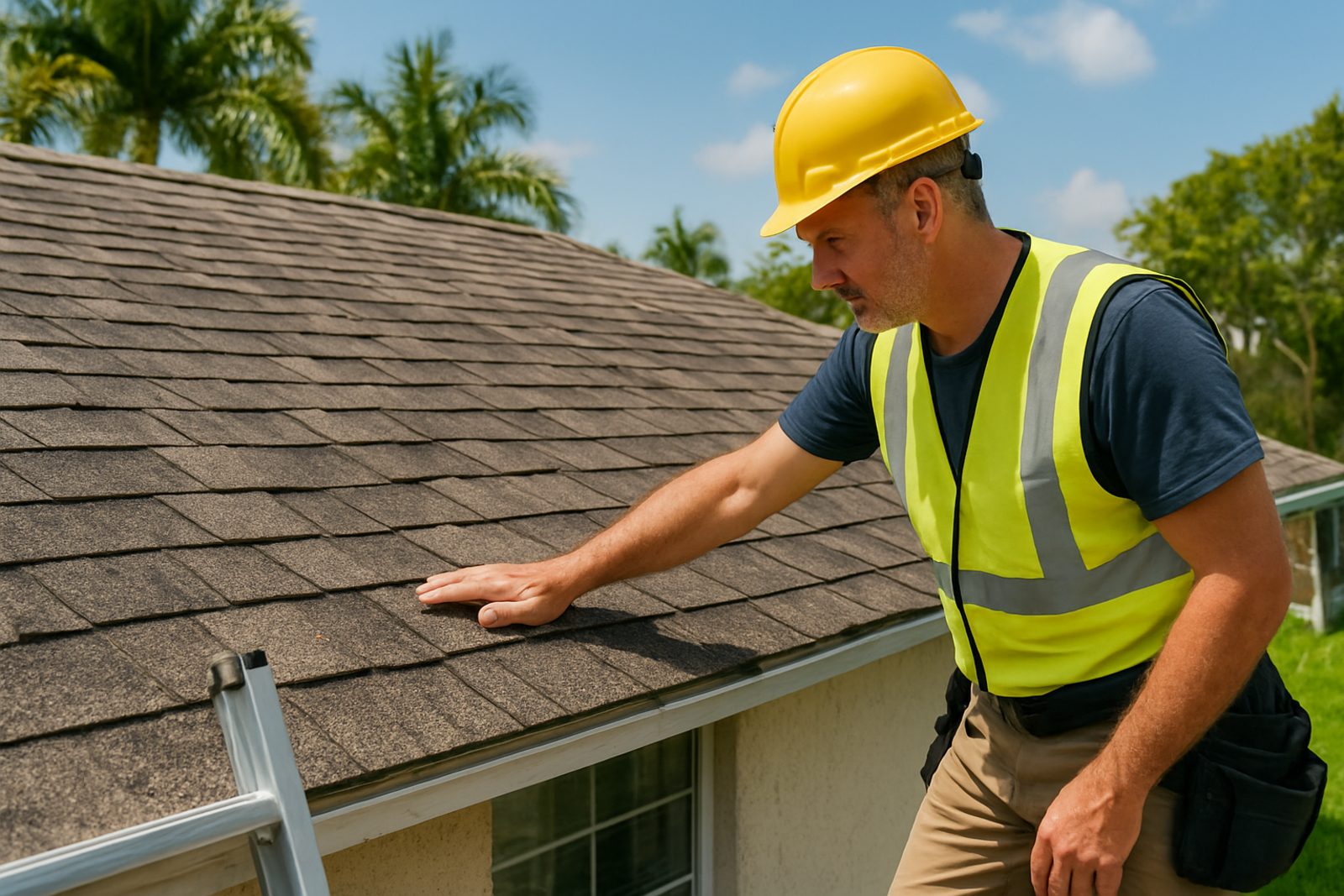
The Roof Insurance Law That Never Passed: Your Move Now
If a homeowner in Stuart or Jensen Beach mentioned a "new roof insurance law" that kicked in on July 1, 2026, you are not imagining things. It went viral this summer. The problem is that it never became law. As we head into October, with the slow season approaching and insurance renewals piling up on homeowners' desks, this is the moment to clear up the confusion and turn it into actual roofing jobs.
Key takeaways
- The 2026 bill that promised wider roof-age insurance protections died in committee in March and never passed, so the rules from 2023 are still the ones that apply.
- Your current roofing license already qualifies you to perform the 15-year remaining-useful-life inspections insurers are required to accept, no new law needed.
- Pair those inspections with the reappropriated My Safe Florida Home grant money and you have a lead source most competitors are not using correctly.
The Viral Law That Never Happened
Senate Bill 808 and its House companion, HB 815, would have expanded Florida's roof-age insurance protections to cover all residential policies and would have let more types of inspectors sign off on roof condition. It sounded like a big deal, and a lot of articles online still talk about it as if it took effect on July 1, 2026.
It did not. Both bills died in the Senate Banking and Insurance committee on March 13, 2026 and were never brought back for a vote. A post-session fact check confirmed the same thing: the 2026 expansion never became law, which means the only roof-age protection on the books is the version Florida passed back in 2022 and 2023.
As a business owner, this matters because your sales team and your marketing need to stop repeating a myth that homeowners will eventually fact check themselves. Get this right now and you look like the authority. Keep pushing the wrong date and you look like every other contractor copying a Facebook post.
What the Law Actually Says Today
Under the statute that is currently in force, an insurer cannot deny or refuse to renew a homeowner's policy just because the roof is under 15 years old. Once a roof hits 15 years, the homeowner has the right to get an inspection showing at least five years of remaining useful life, and the insurer has to accept that before it can force a replacement. This is all spelled out in Florida Statute 627.7011(5), unchanged since the last real update.
Here is the part most homeowners do not know, and the part you should be saying out loud in every piece of content you put out this month: the law already names a licensed roofing contractor as an authorized inspector who can legally perform and sign that remaining-useful-life inspection. You do not need a new law. You need to offer the service you are already allowed to provide.
Why Insurers Are Tightening Anyway
Even without a new law, insurers are moving the goalposts on their own. A report from August found that carriers have quietly dropped their internal scrutiny threshold from 20 years down to 15 years for asphalt shingle roofs, according to WPTV's reporting. That change was not voted on anywhere. It is an underwriting decision, and it is already affecting renewals.
This hits Stuart especially hard. Census data shows that more than 83 percent of homes in Martin County were built before 2000, before Florida's building codes tightened after Hurricane Andrew. A lot of the most desirable waterfront streets in Stuart were built in the 1970s and 1980s, which means those roofs are now 40 to 50 years old, as local roofing data from Florida Roof Now points out. Every one of those homeowners is a candidate for a non-renewal letter this year.
That is not a reason to panic your customers. It is a reason to have an answer ready before the letter shows up.
The Grant Money Nobody Is Mentioning
Here is the piece that turns this from a one-off inspection into a real revenue line. As part of the Memorial Day weekend 2026 state budget deal, Florida reappropriated more than $405 million into the My Safe Florida Home program, specifically to clear a backlog of roughly 45,000 homeowners who had already done their wind-mitigation inspection but were still waiting on grant checks.
The program pays up to $10,000 toward hurricane-hardening work, including roof improvements, on a 2:1 state match, and homeowners at or below 80 percent of their county's median income get the full amount with no match required, according to StormSmart's breakdown of the program. The free wind-mitigation inspection that unlocks this money also generates the OIR-B1-1802 form every carrier uses to calculate wind discounts. A home with full impact openings and a strong roof-to-wall connection can see its wind premium drop 30 to 45 percent, often $800 to $2,400 a year, according to SafeGuard Impact.
Put those two things together and you have a real pitch: a roof certification that satisfies the insurer, plus a path to grant money that can fund part of the work. That is not spin. That is what current law and current budget money already allow.
Your Plan for This Month
This is not a slogan to slap on a Facebook post. It is a service line that needs a process behind it, or you will book a handful of inspections and lose the thread. Here is how we would structure it if we were running your growth this month.
- Build the offer first. Package the 15-year remaining-useful-life inspection as a standalone, priced service, not a freebie tied to a sales pitch. Homeowners trust a paid, documented inspection more than a quote dressed up as one.
- Train your front office on the grant angle. Whoever answers your phone needs to be able to explain the My Safe Florida Home match in two sentences, not forward the homeowner to a government website.
- Fix your intake before you spend on ads. If you cannot tell which calls came from which campaign, you will not know which message is working. We have written about why contractors need to track every lead, and this is exactly the kind of campaign where that discipline pays off fast.
- Write content that corrects the myth, not repeats it. A short, factual explainer on your site and your Google Business Profile beats a vague urgency post. It also protects your reputation when a homeowner fact checks you later.
- Stage your follow up for the slow season. With this hurricane season being unusually quiet, as we covered in our piece on what a quiet season means for South Florida contractors, homeowners have fewer emergencies pulling their attention. That makes this the right window to get proactive inspections booked before storm season ramps up again next year.
Done right, this is the kind of structured funnel that changes the math on your pipeline. Our team has seen this pattern before: once the offer, the targeting and the follow up are dialed in together, local contractors can see close to 3x more qualified leads from the same market. The myth around the law is temporary. The underlying need, old roofs and tightening insurers, is not going away. If you are building this out and want local support, our Stuart marketing team and our dedicated roofing marketing approach are built around exactly this kind of seasonal, fact-based campaign.
Not sure if your roofing marketing matches the real rules?
Take our free 2-minute checkup and we will tell you where your visibility, offer and follow up stand against what Stuart homeowners are actually searching for right now.
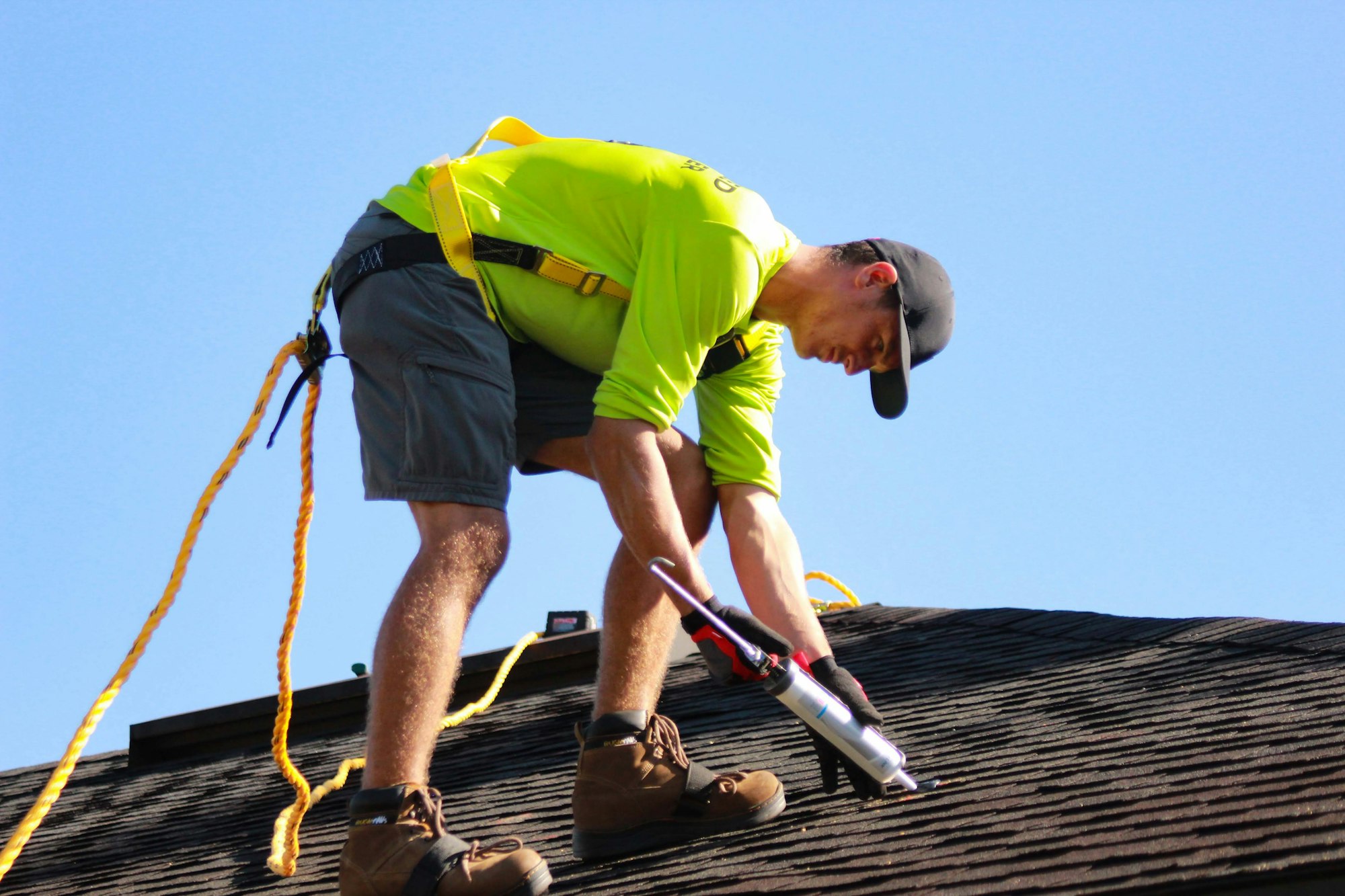
The Quietest Hurricane Season in 112 Years: What It Means for South Florida Contractors
If you live in South Florida, you have probably noticed that this hurricane season feels different. There were no cone maps on the news every night and no lines for plywood at the hardware store. For once, September came and went without anyone in Palm Beach, Broward or Miami-Dade having to think about evacuation zones.
The numbers confirm what everyone is feeling, and for contractors they also carry a warning.
Key takeaways
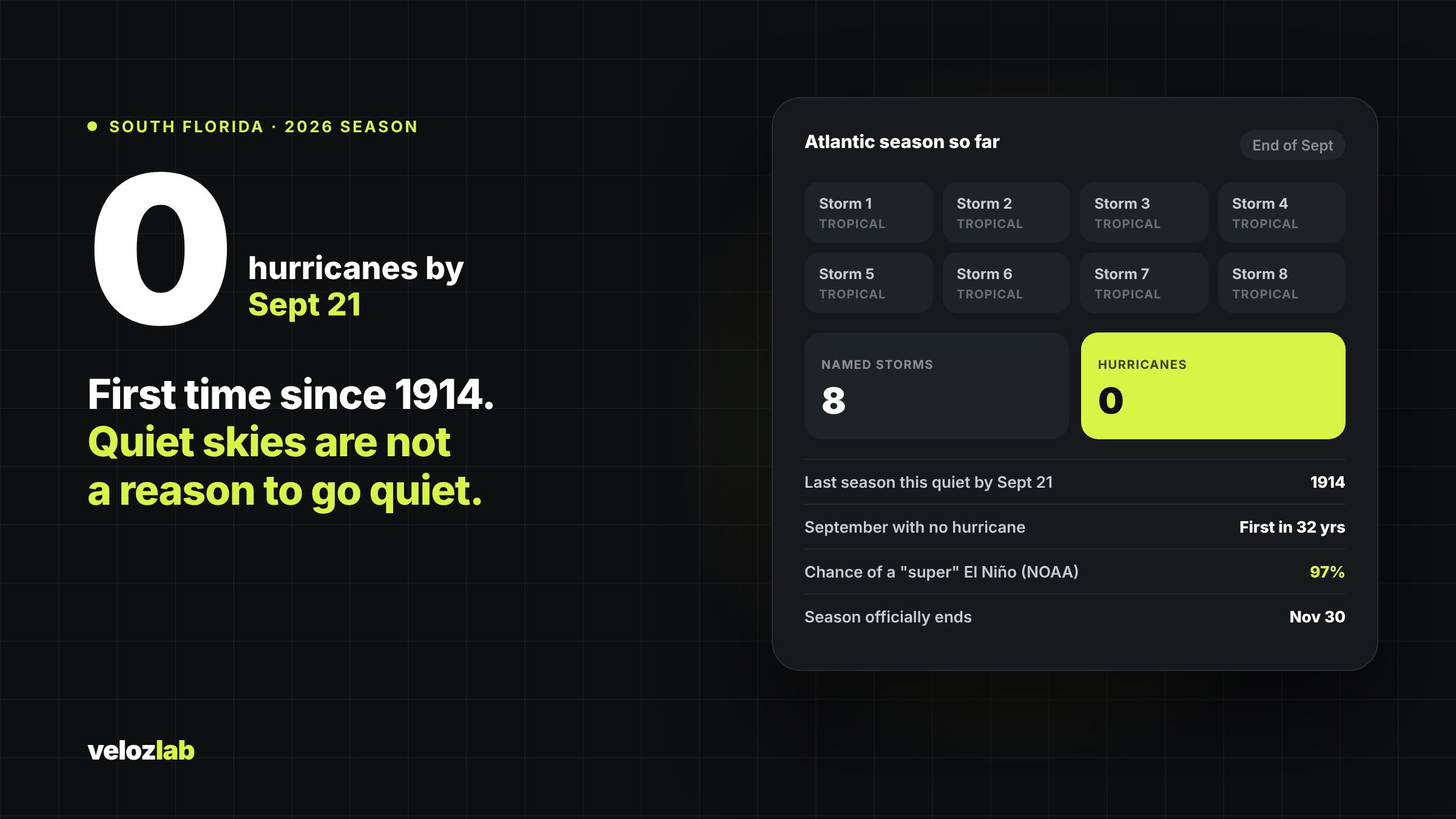
- 2026 reached September 21 without a single Atlantic hurricane, something not seen since 1914.
- When storms stay off the news, homeowners postpone roof and window work, but the demand does not disappear.
- Calm months are the cheapest time to build reviews, rankings and visibility, so you are the obvious call when demand returns.
A season that broke a century-old record
On September 21, 2026, the Atlantic reached that date without producing a single hurricane, which had not happened since 1914. By the end of September, eight named storms had formed and not one of them had become a hurricane, making it the first September without a hurricane in 32 years.
Forecasters point to a strong El Niño as the main reason. El Niño brings stronger upper level winds across the Caribbean and the Atlantic, and those winds tear storms apart before they can organize. NOAA now gives a 97% chance that this El Niño will reach "super" strength between October and December.
1914
was the last time the Atlantic reached September 21 without a hurricane.
WCAX, citing NOAA and National Hurricane Center data
The season still runs until November 30, and forecasters keep reminding everyone that late season storms can form in the western Caribbean or the Gulf. Even so, 2026 is shaping up to be one of the calmest years on record.
Good news for homeowners, tricky news for contractors
For families, a quiet season is a relief. For roofers, impact window companies, generator installers and anyone else whose phone rings louder after a storm, it creates a different kind of challenge.
When there is no storm in the news, homeowners stop thinking about their roof. The inspection they meant to schedule gets pushed to next year, and the impact window quote sits in their inbox. In the meantime, many contractors look at a slower month and decide to cut the marketing budget until "things pick up."
That is usually the most expensive decision of the year.
Why a quiet year is the best time to get louder
Demand is delayed, not gone
Roofs keep aging, and many Florida insurers still look closely at roof age when it is time to renew a policy. Homeowners who postpone this year will need the work later, and they will call whoever they remember.
Attention is cheaper
When half your competitors pause their ads and stop posting, the ones who keep showing up get more visibility for the same money.
Trust takes time to build
Reviews, Google rankings and a strong social presence are not built in the week after a storm. They are built in calm months like these, so that when demand comes back, your name is already the obvious choice.
Storms are not the only trigger
Home sales, insurance renewals, inspections for a refinance and simple wear and tear keep generating work every month of the year.
Five things to do while the skies are clear
- Talk to homeowners about prevention, not panic. A quiet season is the perfect moment for content like "Is your roof ready for next year?" or "What insurers check on a Florida roof." It is helpful, and it does not rely on fear.
- Collect reviews from every recent job. Fresh reviews are what homeowners check first, and slow months give your crew more time to ask properly. Here is a simple review system any crew can run.
- Fix your Google Business Profile. Update photos, services and service areas, and post at least once a week so Google sees an active business.
- Build the pages you never had time for. A page for each city you serve and each main service will keep working for you when the next busy season arrives, and it is also what AI tools look for when they recommend a contractor.
- Keep a small, steady ad budget. Instead of turning everything off, focus your spending on high intent searches like "roof inspection near me" and on the cities where your best jobs come from.
Calm skies are the time to prepare
South Florida will not stay this quiet forever. Weather patterns change, and El Niño years are often followed by very different seasons. The contractors who use this calm to build their reputation and visibility will be the ones answering the phone when homeowners start calling again.
Is your marketing ready for that moment?
Our free 2-Minute Marketing Checkup shows you where you stand on Google, reviews and your website, and what to fix first.
Sources: WCAX (Sept. 21, 2026), NBC 6 South Florida (Sept. 2026), FOX 5 New York (Oct. 1, 2026), citing NOAA and National Hurricane Center data.
